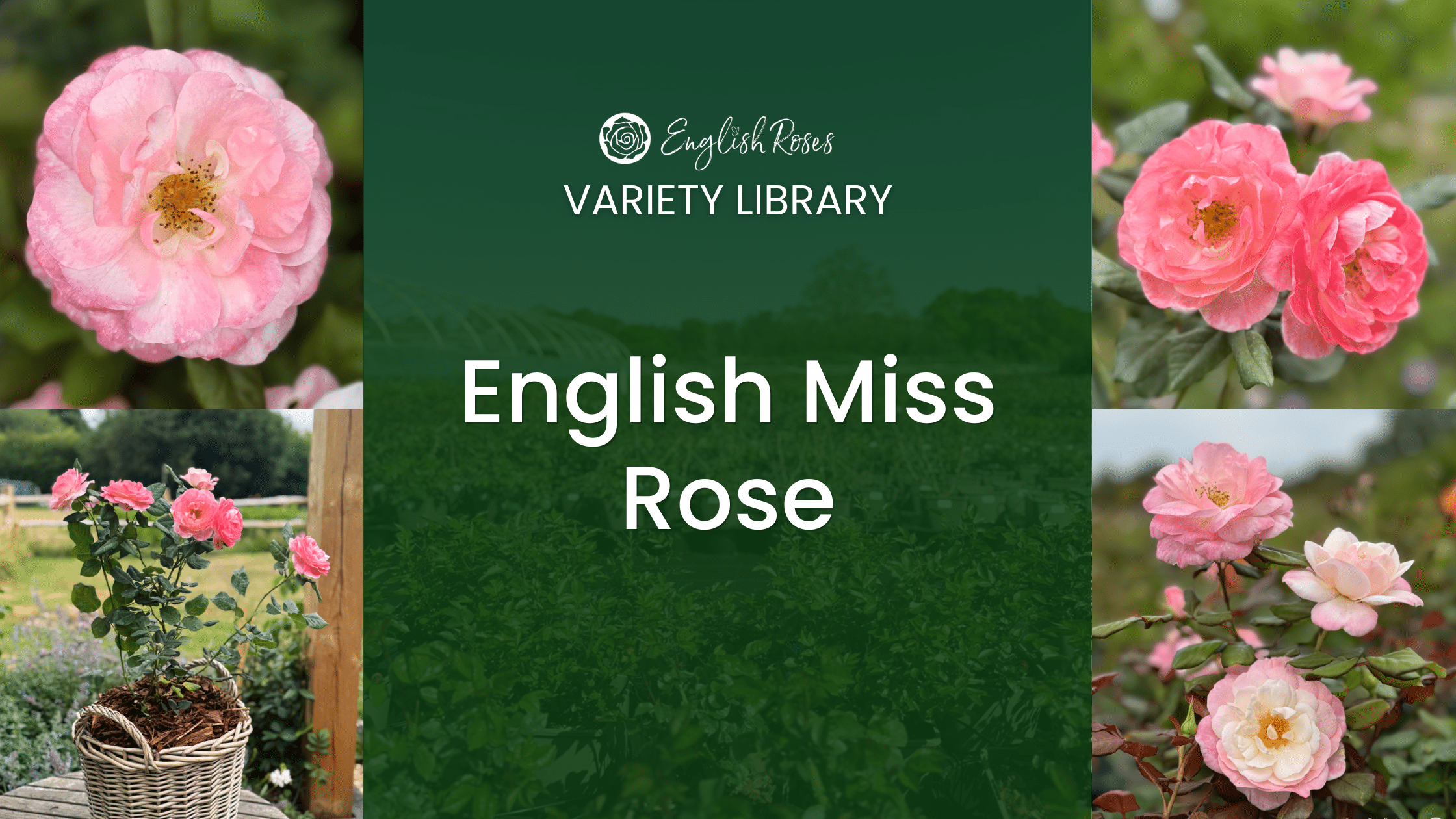
English Miss Rose is an attractive and compact floribunda that led a trend towards more diminutive roses to suit smaller modern gardens while at the same time retaining a classic English rose romanticism. You can purchase English Miss Rose here.
Watch our video to see all about English Miss Rose and how this wonderful variety looks in the garden.
Description

| Colour: | Soft blush pink with deeper pink towards the centre. |
| Type: | Floribunda Rose |
| Maximum Height/Width: | 75 / 60cm |
| Foliage: | Dense dark green foliage with attractive bronze tints when young. |
| Habit: | Compact neat growth. |
| Petal and Form: | 60 petals, fully double clusters of 3 to 7 blooms |
| Blooming Period: | Early summer to autumn with some of the finest blooms of the year in the cooler period |
| Fragrance Profile: | Strong sweet fragrance with spicy hints. |

Great for Pollinators!
Give nature a helping hand by choosing a pollinator-friendly rose for your garden. We have a fantastic range of colours available from patio roses to climbers and they are all attractive to bees and other important insects.
Photos
Taken here at English Roses, we have a selection of photographs showcasing English Miss Rose in all its beauty.
Fragrance Profile

English Miss Rose has a strong sweet scent with spicy hints.
Strength – Strong
Primary Scent – Sweet
Nuance – Spicy

Nomenclature and Classification

| Botanical Name: | English Miss |
| Breeder Code: | N/A |
| Group / Class: | Floribunda |
| Breeder: | Roger Pawsey of Cants of Colchester |
| Parentage: | Dearest x The Optimist |
| Introduced by: | Cants of Colchester |
| Origin: | UK |
| Distribution: | Widely available. English Roses supply rose gifts including English Miss |
| Awards: | Awarded Trial Ground Certificate by the Royal National Rose Society. The award recognises exceptional garden performance including flower quality, health and fragrance. |
History and Development
Roger Pawsey developed the rose in Colchester in 1977 and named it in honour of his daughter. Cants of Colchester founded in 1765 was the oldest surviving commercial seller of roses until its closure in 2023.
English Miss rose was named after Roger Pawsey’s young daughter, Sally-Anne. Sally-Anne also had another rose named after her in 1994 called ‘Sally’s Rose’.
During the 1980s-90s, British Airways named their aircraft fleet according to themes. The Lockheed Tristar-500 fleet were named after English Roses, with G-BFCC named ‘The English Miss’. English Miss was depicted on the aircraft with the name painted under the cockpit.
Requirements and Maintenance

Soil
Well-drained fertile soil. Enrich with organic matter. Slightly acidic to neutral preferred. Read our planting guide here.
Toxicity
None Reported
Hardiness
RHS rating of H6 indicating a minimum temperature range of -15C to -20C. A good choice for colder locations.
Diseases and Pests
Good disease resistance especially blackspot, mildew and rust. Signs of insects such as aphids and mites should be monitored.
Treat mildew by pruning affected leaves.
Treat aphids by growing plants that attract insects that prey on aphids. See companion plants below.
Treat blackspot by pruning affected leaves, destroying fallen leaves.
We do not recommend using chemical fungicides as they risk reducing soil health and negatively affecting biodiversity.
See our help guides for more details.
Position
Full sun. Ideal for pots and patios. Its short stature makes it more amenable to windy conditions. Read our planting guide here.
Cut Flowers
Reasonable vase life for arrangements. Read our ‘How to Cut a Rose For Display’ guide here.
Watering
Keep the soil consistently moist, especially during the growing season. Water at the base of the plant to prevent fungal diseases. Read our watering guide here.
Feeding
Slow-release feed early in the season followed by foliar feed during the growing period. Read our feeding guide here.
A granular, slow release feed such as English Roses Protect & Grow Slow Release Rose Feed supports all round health, and nutrients are released steadily over the course of a few months. Combine this with a foliar feed such as English Roses Protect & Grow Rose Foliar Feed in the summer months, for a quick burst of nutrients that encourage beautiful blooms.
Pruning
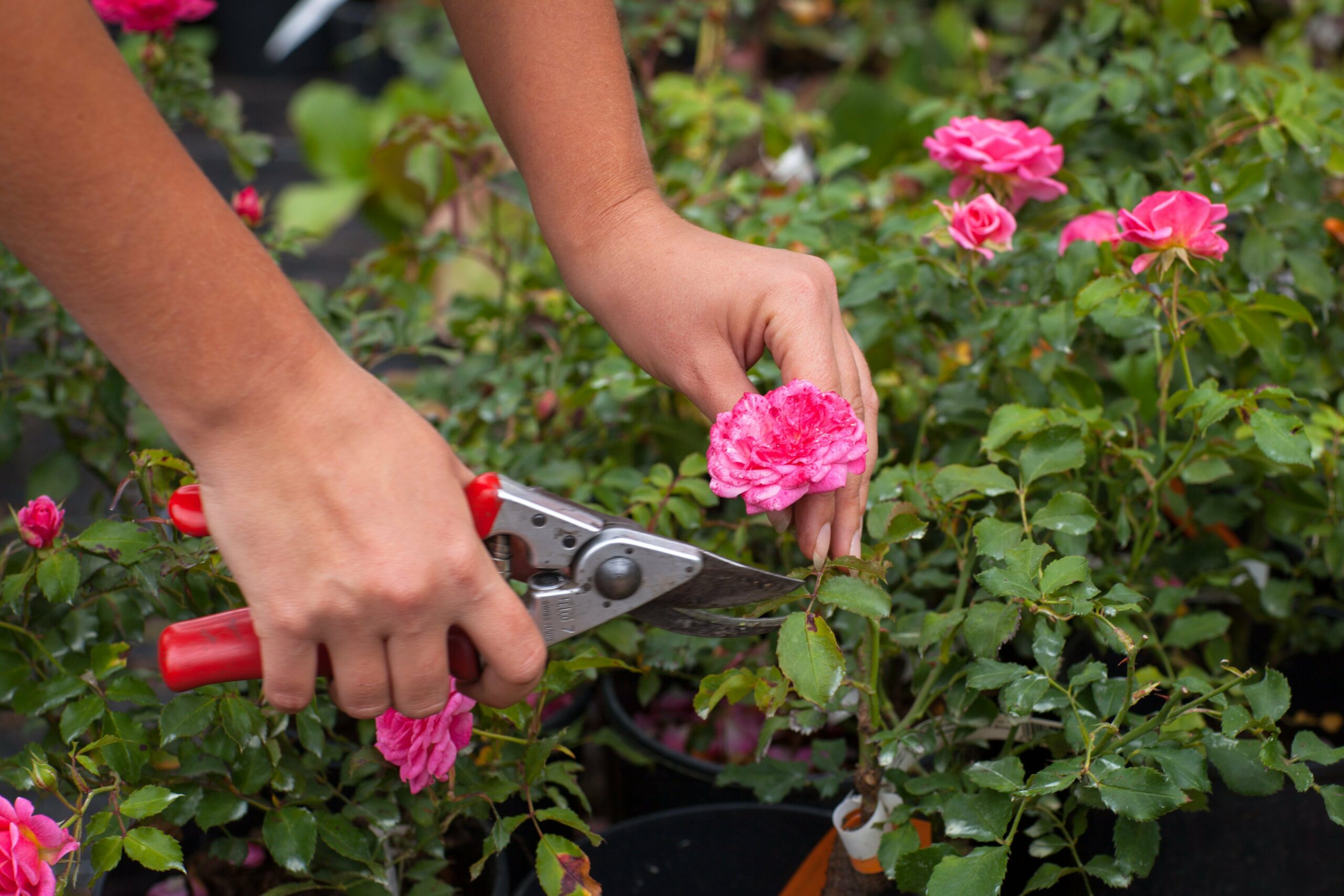
Hard prune in February or March. Remove approximately one third of the oldest wood plus weak and crossing branches. Regular deadheading during the season promotes new growth. See our pruning guide here.
Propagation
By hardwood cuttings in Autumn or chip budding in summer.
Rose Care Help Guides
Would you like more information about caring for your roses? Read our handy how-to guides and other rose care information from our expert Rose Care Team.


Companion Planting
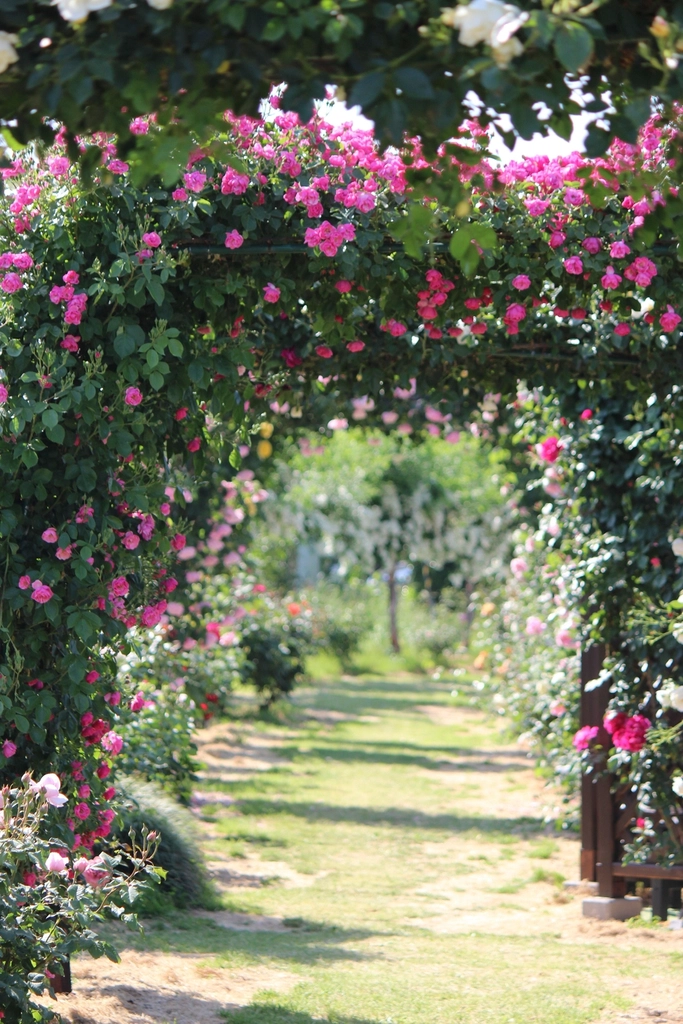
The first step is to choose plants that share similar requirements in terms of soil, fertilizer, water and sun exposure. Be mindful of prolific plants that may compete with your roses.
You may wish to avoid plants that attract aphids such as cosmos, nasturtiums and sunflowers although they can also act as a lure to draw pests away from your roses.
Consider plants that attract insects that feed on aphids. Lacewings, ladybirds and hoverflies are predatory insects that eat pests. The Seedball Beetle mix is perfect for attracting ladybirds to your roses.
Plants such as alliums, lavender and geraniums possess strong scents that repel pests.
Planting the likes of catmint and marigolds you encourage a natural ecosystem beneficial to your roses. Catmint is also a good pollinator and provides attractive ground cover. A lower growing marigold such as French or Signet performs a similar task and delivers a colourful carpet around your roses.
Consider plants that will offer colour into the autumn such as salvias and vibernum.
Complementary Colours
Combine with purple lavender or blue catmint for a classic English cottage garden look. Try white flowers such as sweet alyssum or white campanula to complement the delicate colouring. English Miss is a fantastic rose to pair with silver-leaved perennials like lamb’s ear or artemisia for elegant contrasts.
Complementary Roses
As a compact floribunda bush with an abundance of blooms, English Miss Rose is an elegant addition to the garden and pairs well next to other floribunda and hybrid tea bushes. The blush pink blends of English Miss Rose would be stunning nestled among whites and creams, or would complement deeper pinks by providing the paler contrast.
-

Iceberg Rose
Add to Basket£31.99 -
Darling Rose
Add to Basket£29.99 -
White Patio Rose
Add to Basket£31.99 -
Happy Retirement Rose
Add to Basket£31.99 -
Orchid Romantica Rose
Add to Basket£29.99


Reviews
English Roses Recommends
Hear what our experts at English Roses have to say about English Miss Rose:
- “I do like my roses to be fragrant – surely that’s half the point. And I really adore the spicy notes from English Miss rose. I also feel guilty that some of my roses are not bee friendly but English Miss has nice open petals so I feel I’m doing my bit.” – Ben, Rose Care Team at English Roses
Customer Reviews
See what our lovely customers say about English Miss Rose:


Where to Buy English Miss Rose
English Miss Rose
English Miss Rose is a beautifully fragrant soft pink rose, chosen for thoughtful gifting and meaningful moments. It’s a lovely choice whether you’re celebrating a birthday or anniversary, sending thanks, or remembering someone special, it’s a lasting gift that can be enjoyed now, bringing beauty and joy for years to come.

English Roses Variety Library
View more complete guides to your favourite roses. We have created lots of resources containing everything you need to know about each variety including variety specifications, history and care information.


Resources
- rhs.org.uk
- helpmefind.com
- pithandvigor.com
- wikipedia.com
- gardendesign.com
- cantsroses.co.uk
- bbc.co.uk
- jacksonsnurseries.co.uk
Keep in Touch!
Be sure to sign up for our free newsletter for the to be kept up to date with the latest news, exclusive offers, and top tips from our expert Rose Care Team.
Follow us on Facebook, Instagram and also TikTok and join us in spreading the joy of roses!