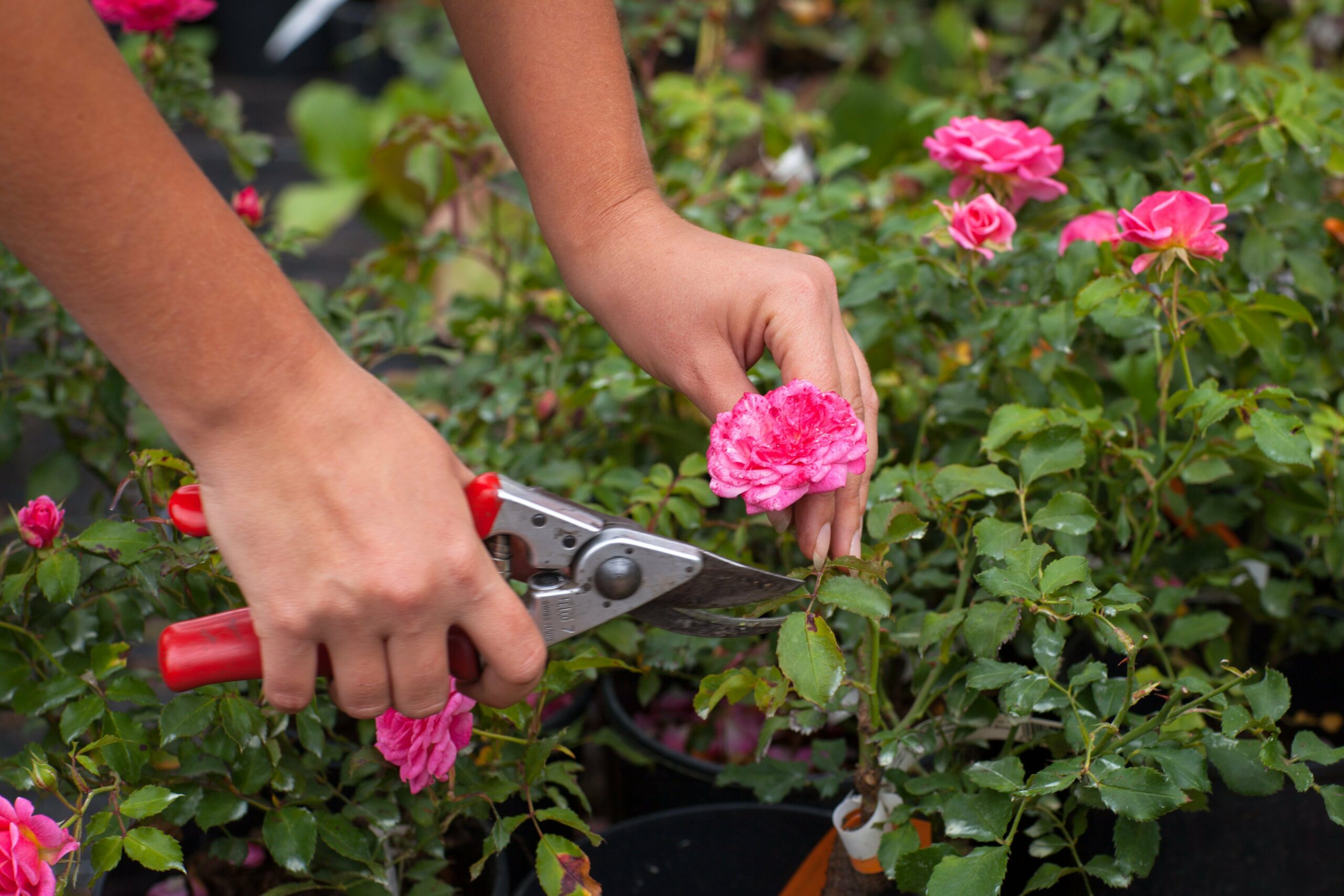
Gloriana Rose is a wonderful patio climbing variety that is more compact than most climbers. Its appeal lies in its manageability, prolific magenta-purple blooms and long flowering season. An ideal rose for walls, fences and obelisks. Suitable as a patio rose too! You can purchase Gloriana rose here.
Watch our video to see all about Gloriana Rose and how this wonderful variety looks in the garden.

Description #

| Colour: | Magenta-purple with pink hues |
| Type: | Patio Climbing Rose |
| Maximum Height/Width: | 300cm/90cm |
| Foliage: | Semi-glossy, medium |
| Habit: | Compact climber – manageable and well behaved |
| Petal and Form: | Medium double 17 – 25 petals, small clusters |
| Blooming Period: | In flushes from early summer to autumn |
| Fragrance Profile: | Lightly scented musky sweet fragrance with hints of apricot. |
Photos #
Taken here at English Roses, we have a selection of photographs showcasing Gloriana Rose in all its beauty.
Fragrance Profile #

Gloriana Rose has a light, sweet musky fragrance with hints of apricot.
Strength – Mild
Primary Scent – Musky Sweet
Nuance – Apricot

Nomenclature and Classification #

| Botanical Name: | Gloriana Rose |
| Also Known As: | Sugar Plum Rose |
| Breeder Code: | CHEwpope |
| Group / Class: | Patio Climber |
| Breeder: | Developed by Christopher H. Warner |
| Parentage: | Laura Ford x Big Purple |
| Introduced by: | Warner’s 1997 |
| Origin: | UK |
| Distribution: | Widely available. English Roses supply rose gifts including Gloriana in the UK |
| Awards: | Breeder’s Choice Award 1998. New Zealand Certificate of Merit |
History and Development #
The epithet ‘Gloriana’ was popularised by 16th century poet Edmund Spenser in his poem Faerie Queene after a character representing Elizabeth I.
This rose was named after the opera ‘Gloriana’ by Benjamin Britten for the Benjamin Britten foundation.
Requirements and Maintenance #

Soil #
Flourishes in a variety of soils especially when well mulched in humus rich soil. Tolerant of slightly acidic to slightly alkalineMoist but well-drained soil. Fertilise in early spring with balanced rose fertiliser and repeat according to packet instructions.
Read our planting guide here.
Toxicity #
None reported
Hardiness #
RHS rating of H6 indicating a minimum temperature range of -15C to -20C
Diseases and Pests #
Good to excellent disease resistance. Like all roses, potentially prone to aphids and caterpillars and common issues such as mildew, blackspot and rose rust.
Treat mildew by pruning affected leaves.
Treat aphids by growing plants that attract insects that prey on aphids. See companion plants below.
Treat blackspot by pruning affected leaves, destroying fallen leaves.
We do not recommend using chemical fungicides as they risk reducing soil health and negatively affecting biodiversity.
See our help guides for more details.
Position #
Full sun against a wall or obelisk. For containers ensure the pot is at least 12 inches deep and 15 inches in diameter with drainage holes. Plant a minimum of 60 cm apart from other roses.
Read our planting guide here.
Cut Flowers #
Strong stems for a climber and a reasonable vase life of 7 – 10 days.
Read our ‘How to Cut a Rose For Display’ guide here.
Watering #
Keep the soil consistently moist, especially during the growing season. Water at the base of the plant to prevent fungal diseases.
Feeding #
Slow-release feed early in the season followed by foliar feed during the growing period. Read our feeding guide here.
A granular, slow release feed such as English Roses Protect & Grow Slow Release Rose Feed supports all round health, and nutrients are released steadily over the course of a few months. Combine this with a foliar feed such as English Roses Protect & Grow Rose Foliar Feed in the summer months, for a quick burst of nutrients that encourage beautiful blooms.
Pruning #
Hard prune in February or March. Regular deadheading during the season promotes new growth. See our pruning guide here.
Propagation #
By hardwood cuttings in Autumn or chip budding in summer.
Rose Care Help Guides #
Would you like more information about caring for your roses? Read our handy how-to guides and other rose care information from our expert Rose Care Team.


Companion Planting #
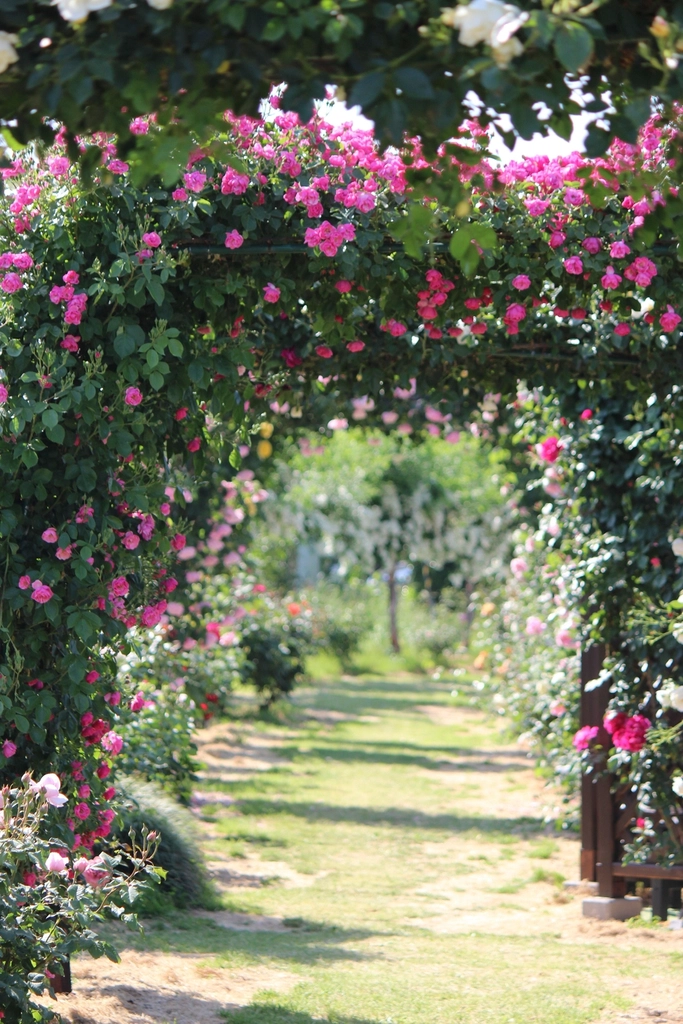
The first step is to choose plants that share similar requirements in terms of soil, fertilizer, water and sun exposure. Be mindful of prolific plants that may compete with your roses.
You may wish to avoid plants that attract aphids such as cosmos, nasturtiums and sunflowers although they can also act as a lure to draw pests away from your roses.
Consider plants that attract insects that feed on aphids. Lacewings, ladybirds and hoverflies are predatory insects that eat pests. The Seedball Beetle mix is perfect for attracting ladybirds to your roses.
Plants such as alliums, lavender and geraniums possess strong scents that repel pests.
Planting the likes of catmint and marigolds you encourage a natural ecosystem beneficial to your roses. Catmint is also a good pollinator and provides attractive ground cover. A lower growing marigold such as French or Signet performs a similar task and delivers a colourful carpet around your roses.
Consider plants that will offer colour into the autumn such as salvias and viburnum.
Complementary Colours #
Yellows and greens will make Gloriana’s magenta flowers pop. So consider the easily maintained Lady’s Mantle for a vibrant yellow-green contrast. For a lime green effect try the low maintenance Euphorbia. For a harmonious blend try salvia or lavender.
Complementary Roses #
Gloriana’s mid-green foliage creates the perfect backdrop to the magenta blooms, creating a stand-out display in its own right. Golden yellow roses planted alongside would create further contrast, while softer pinks are ideal for highlighting Gloriana’s vibrancy.
As a patio climber, we think Gloriana looks stunning framed by smaller bush varieties, or as part of a larger display among other climbers.
-

Laura Ford Rose #
Add to Basket£33.99 -
Purple Skyliner Rose #
Add to Basket£33.99 -
Ozeana Rose #
Add to Basket£33.99 -
Climbing Arthur Bell Rose #
Add to Basket£33.99 -
Little Rambler Rose #
Add to Basket£33.99


Reviews #
English Roses Recommends #
Hear what our experts at English Roses have to say about Gloriana Rose:
- “Many of us only have limited outdoor space at home so I love the way that Gloriana rose neatly scales the trellis on my patio. It looks gorgeous and doesn’t go sprouting off in all directions.” – Richard, English Roses Customer Services Team
- “We’ve been growing this patio climber for decades because it never disappoints! It’s easy to grow, gets smothered in the most stunning pinky purple flowers all season and is not susceptible to disease. Our parents have it growing through their privet hedge, and every year we admire it. They just strim it back in spring and autumn and its really low maintenance.” – Georgina, Owner at English Roses
Customer Reviews #
See what our lovely customers say about Gloriana Rose:


Where to Buy Gloriana Rose #
Gloriana Rose
Producing small pink-purple blooms with a light fragrance, Gloriana rose really is a glorious variety! This hardy patio climber is perfect for transforming walls and fences into beautiful garden features. Repeat flowering over the summer months, Gloriana rose would make a wonderful addition to any garden space, bringing colourful joy to the garden. Eco-friendly and long lasting, Gloriana Rose would also make a wonderful living gift for any occasion.

English Roses Variety Library #
View more complete guides to your favourite roses. We have created lots of resources containing everything you need to know about each variety including variety specifications, history and care information.


Resources #
- rhs.org.uk
- helpmefind.com
- wikipedia.com
- gardendesign.com
- rosesuk.com
- garden.org
- jacksonsnurseries.co.uk
Keep in Touch! #
Be sure to sign up for our free newsletter for the to be kept up to date with the latest news, exclusive offers, and top tips from our expert Rose Care Team.
Follow us on Facebook, Instagram and also TikTok and join us in spreading the joy of roses!